Din kurv er tom


I alt: 234
/
11181
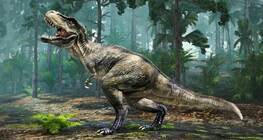
Stort kødædende dyr, den mest kendte af dinosaurer.
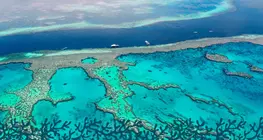
In this lesson, you will learn about one of the most beautiful and largest natural formations on Earth.
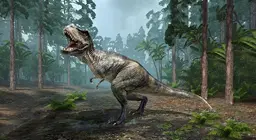
The lesson introduces you to the features of Tyrannosaurus rex.
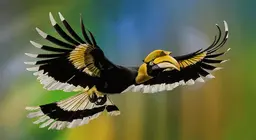
In this lesson, you will learn about the anatomy and reproduction of birds.
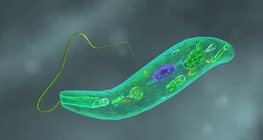
En encellet eukaryot, der lever i ferskvand, der er i stand til at indtage føde ved fagosytose og fotosyntese.
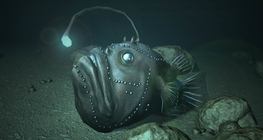
Denne bizarre fisk bruger sit bioluminescerende lokkemiddel til at fange sit bytte. Animationen forklarer, hvordan det virker.
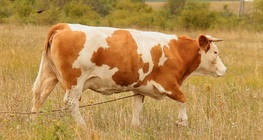
Cattle typically live in stables. They were domesticated around the same time as swine. Cow's milk is one of our most popular drinks.
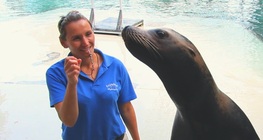
How do attendants prompt seal pups to do what they are asked to? They are even willing to come to the shore for us! How can we teach them to do that?
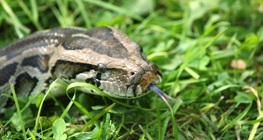
There are some species in the animal kingdom that do just fine with a single meal a month or even with a few months’ fast. An example of such species is the Indian python.
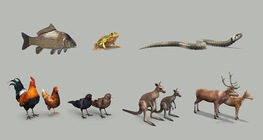
Livscyklus hos hvirveldyr starter med produktionen af reproduktive celler og slutter med produktionen af de reproduktive celler i den næste generation.
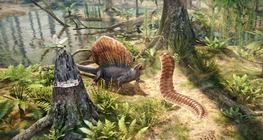
Denne animation præsenterer nogle dyr og planter, der levede mellem Devon og Perm perioderne (358–299 millioner år siden).
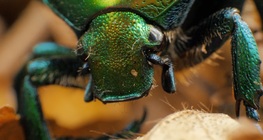
If we pay close attention as we walk through the forests and across the meadows, we can see miracles. Let’s learn more about the rose chafer.
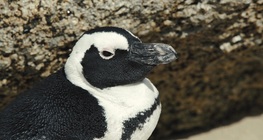
Penguins do not only live in regions with freezing temperatures. They can also be found in the warmer temperate zone.
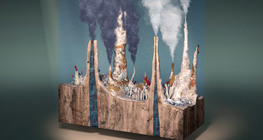
En hydrotermisk åbning er et spræng på planetens overflade, hvorfra geotermisk opvarmet vand strømmer ud.

Find out interesting pieces of information about the communication of animals.

Let's catch a glimpse into the world of microscopic unicellular organisms!

The lesson introduces you to various types of teeth and their functions.

Let's find out interesting facts about the flora and fauna of polar regions and the living conditions in those areas!