Your cart is empty


Total: 2841
/
2841

In this lesson, we will explore what it can mean for a person to be in a relationship with God, and how, in the language of the Christian faith, we can even speak about “friendship” with him. We will learn that God does not only give commands, but also calls, speaks, waits, and seeks a personal relationship with human beings. The lesson also helps bring this closer to everyday life: how it is possible, even at a young age, to build a relationship with God today.

Discover both the exciting opportunities and serious challenges that globalisation brings to faith communities everywhere.

In this lesson, we will learn how God freed the people of Israel from slavery in Egypt, how he called Moses to this task, and how God’s love and faithfulness were shown in the midst of difficulty. The lesson helps us to understand that God does not remain distant from human suffering, but sees it, hears it, and stays with those who are going through it.

In this lesson, we will learn what God’s covenant means, why Israel is called the Chosen People, and what faithfulness and trust in God mean on the human side. The lesson helps us to understand that God is not distant, but a faithful God who takes the initiative in relationship and still speaks to people today.
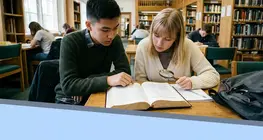
In this lesson, we will learn how to use the Bible in a real and practical way: how to find a passage, how to navigate between books, chapters and verses, and how to begin reading and interpreting a Bible story well. The aim is not only to help us find our way around Holy Scripture, but also to show that the Bible is not just something to read, but a book that asks questions, teaches, and can speak to us personally.

In this lesson, we will learn how the Bible is structured, how many main parts it has, what kinds of books we find in it, and why it is so important in the life of a Christian. The aim is not only to know facts about it, but also to understand that the Bible is not simply an old book, but one of the most important foundations of the Christian faith.

In this lesson, we will explore what it can mean to say that the Bible is the Word of God, and how young people today think about it. The lesson helps us see the Bible not just as an old religious book, but as a text that can speak to people, ask them questions, and help them find their way.

This lesson shows how the parable of the Good Samaritan teaches us to accept everyone and put love into action in our daily lives.

This lesson shows how Jesus cared with special attention for those who were excluded, and what his actions mean for us today.

Discover how both our earthly families and God's family, the Church, provide the love and acceptance we need to become our most authentic selves.

In this lesson, we will get to know the Ten Commandments and also think about how they can help in everyday life. The aim of the lesson is not only to list the commandments, but also to understand that God’s commands are not arbitrary prohibitions, but guidance that protects people, relationships and true freedom.

This lesson shows how the Church continues the work of Jesus in the world through simple, everyday actions.

This lesson shows how we can take responsibility and actively contribute to our communities in everyday life.

This lesson shows why spreading peace in everyday life is important, and how anyone can become a person who brings peace to their own community.

This lesson shows how God calls us to love, and how we can express this love in our relationships and everyday life.
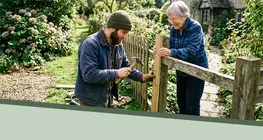
This lesson shows the differences and similarities between agape and philia love, and how these appear in everyday life.

This lesson shows what makes Christian marriage special and what role the family plays in Christian life.

This lesson explores why marriage vows are so special and serious, what the well-known wedding phrases really mean, and what gives a promise its true strength.

This lesson presents the two main goals of Christian marriage: the unity of the spouses and the importance of starting a family.
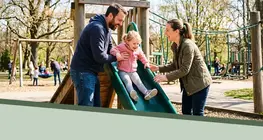
This lesson shows why having children is a serious moral responsibility, and how people can make a conscious, loving decision for the good of the child and the family.

This lesson shows why unity, indissolubility and faithfulness are essential for the lasting strength and happiness of Christian marriage.

This lesson shows how a person can live in love through celibacy or virginity.