Váš nákupní košík je prázdný


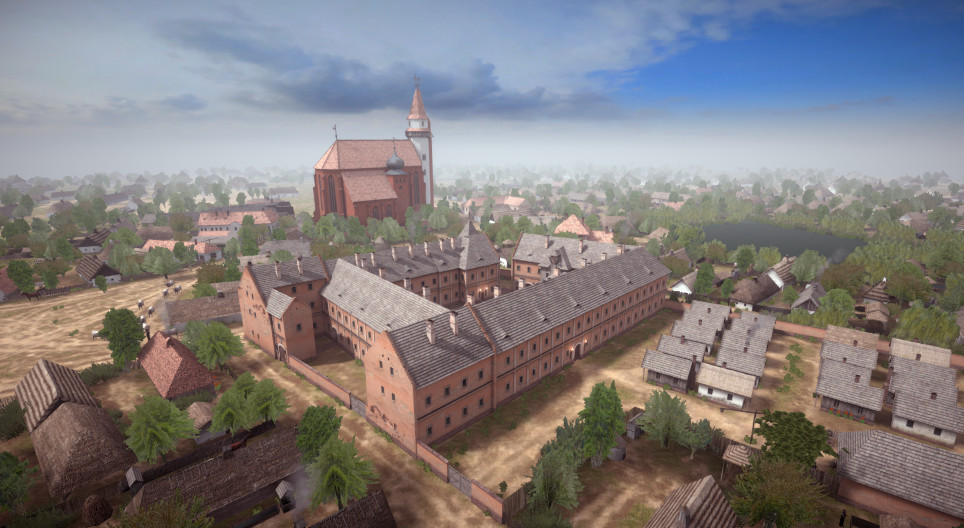
Reformované kolegium v Debrecíně (18. stol.)
Jedna z nejstarších škol v Maďarsku, kde studovalo několik renomovaných Maďarů.
Dějepis
1. – 12. ročník
Klíčová slova
mozaLink
/Weblink
Scénky
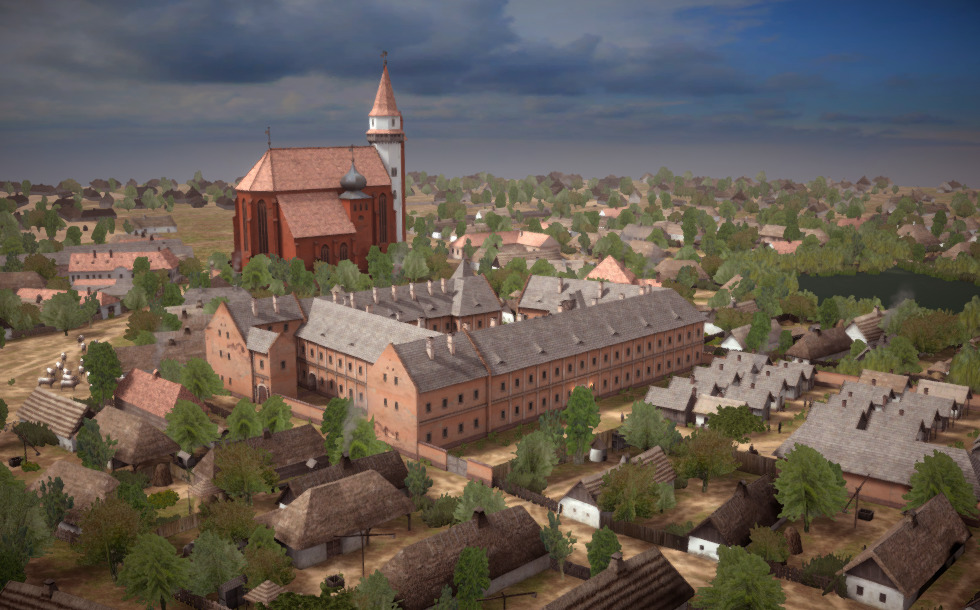
Kolegium
Today Debrecen is the second most populous city in Hungary. The first written reference to Debrecen dates back to the 13th century. The importance of this characteristic country town increased significantly with the spread of the Protestant Reformation in the 16th century. Bishop Péter Méliusz Juhász, a leading figure of the Reformation in Hungary, called the town ’the Calvinist Rome’. Leopold I, Holy Roman Emperor, granted the title Royal Free City to Debrecen in 1693. Thus the city grew into an important economic, religious and educational centre, maintaining its reputation even today.
The history of the Debrecen Reformed College began in 1538, when the Franciscan school that had existed before was integrated into the Reformed Church. After 1549 the institution functioned in the spirit of the Calvinist (Swiss) Reformation.
From the beginning, education was provided by the college at all levels – from elementary to academic. The institution was financed by the town of Debrecen from various sources (funeral fees, the income of mills, etc). The Town Council was justified in calling the college ’Schola nostra’ (’our school’). Private benefactors also helped with significant contributions. Princes of Transylvania, always in close spiritual and religious contact with the college, were solicitous about the welfare of the institution and its students. The Reformed Church also regarded the college as its own. Conflict never arose between secular and religious leaders; they always supported each other in paving the way for the institution’s secure future.
The earliest surviving written school document is a birth register from 1588. At the beginning of the 17th century, the college accommodated about one thousand students. The building took its present, characteristically irregular closed square layout after extension work between 1662 and 1668.
Over the following two centuries the institution had to face some hard challenges. First the Ottoman occupation, then the religious and educational policies of the Habsburg rule presented great difficulties.
Among the walls of the nearly five centuries old, deservedly famous college, a great number of outstanding Hungarians – poets, writers, scientists, and statesmen – received their education, for example Mihály Csokonay Vitéz, Ferenc Kölcsey, János Irinyi, Kálmán Tisza, Endre Ady as well as Zsigmond Móricz. His novel, entitled Be Faithful Unto Death, gives an authentic insight into the atmosphere of life in the college in the early 20th century.
The college building, reconstructed and renovated several times over the centuries, was the central venue of several decisive historical events in Hungary. It served as the seat of Parliament for several months during the 1848-49 War of Independence. On the 21 December 1944, the Temporary National Assembly convened here.
While actively practising and proudly preserving its traditions, the Debrecen Reformed College is one of the highest standard and most popular educational institutions in Hungary. It has remained faithful to its motto: Orando et Laborando (praying and working).
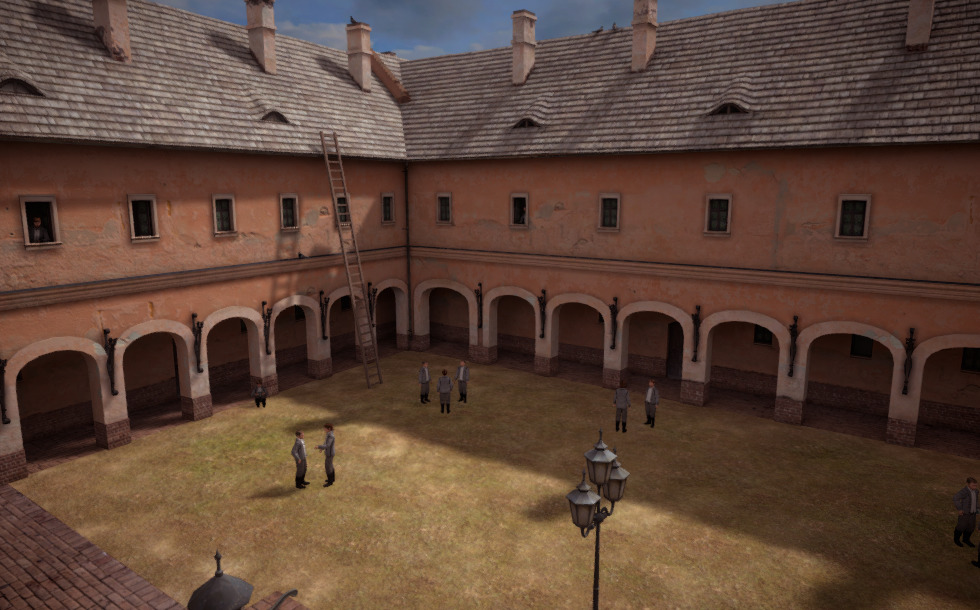
Vnitřní dvůr
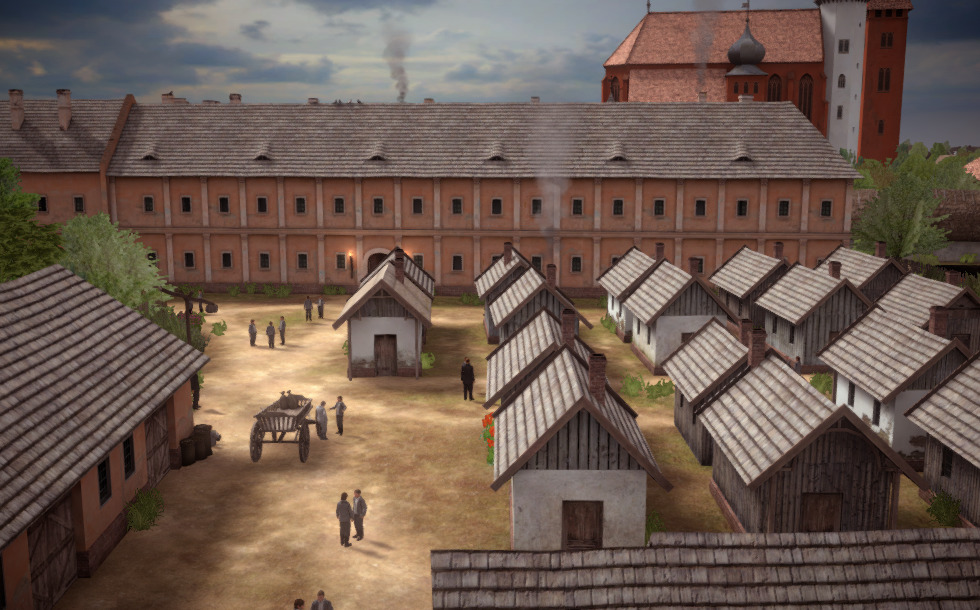
Zadní dvůr
Vyprávění
The first written reference to Debrecen dates back to the 13th century. The importance of this characteristic country town increased significantly with the spread of the Protestant Reformation in the 16th century. Bishop Péter Méliusz Juhász, a leading figure of the Reformation in Hungary, called the town ’the Calvinist Rome’. Leopold I, Holy Roman Emperor, granted the title Royal Free City to Debrecen in 1693. Thus the city grew into an important economic, religious and educational centre, maintaining its reputation even today.
The history of the Debrecen Reformed College began in 1538, when the Franciscan school that had existed before was integrated into the Reformed Church. From the beginning, education was provided by the college at all levels – from elementary to academic. The institution was financed by the town of Debrecen from various sources.
At the beginning of the 17th century, the college accommodated about one thousand students. The building took its present, characteristically irregular closed square layout after extension work between 1662 and 1668.
Among the walls of the nearly five centuries old, deservedly famous college, a great number of outstanding Hungarians – poets, writers, scientists, and statesmen – received their education, for example Mihály Csokonay Vitéz, Ferenc Kölcsey, János Irinyi, Kálmán Tisza, Endre Ady as well as Zsigmond Móricz.